
Blog · Pay & laws
California Final Paycheck Law (2026): Deadlines & Penalties
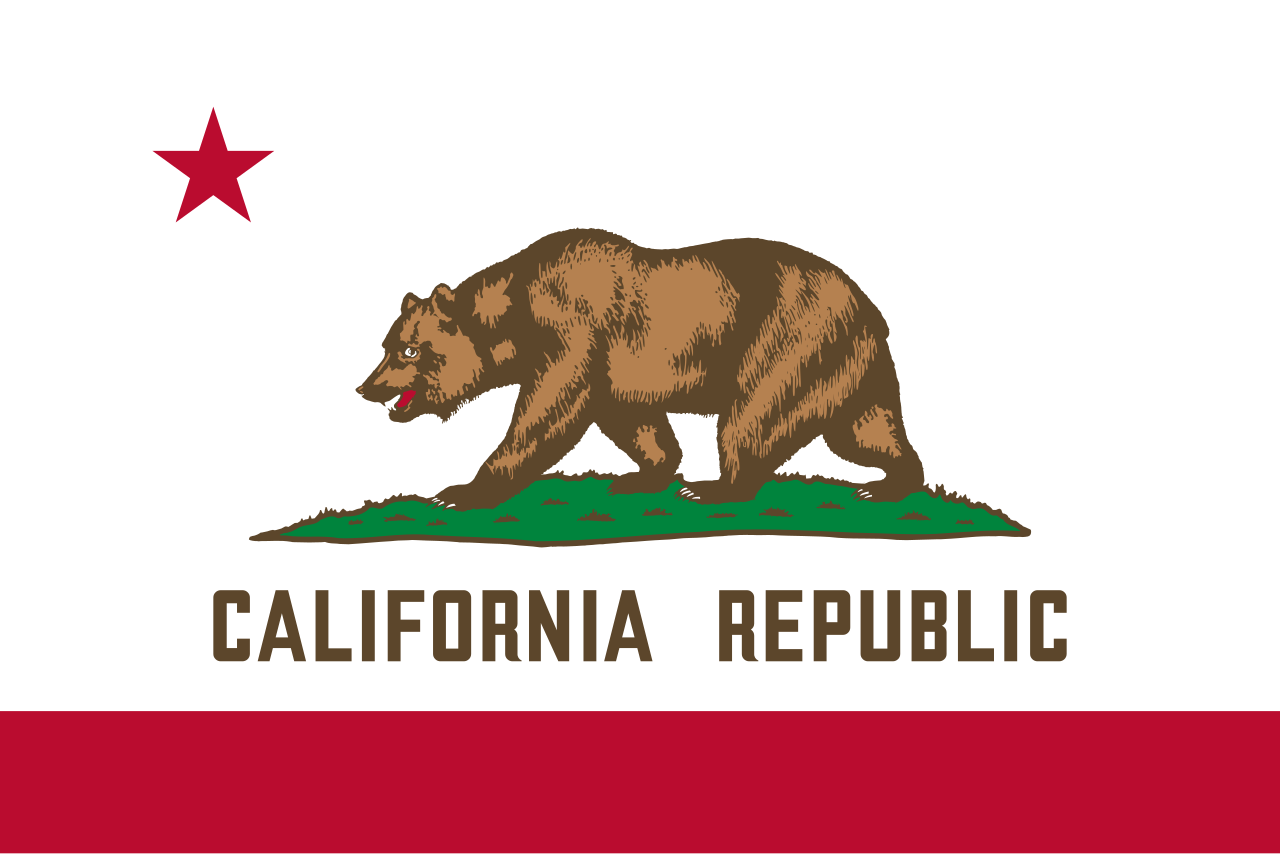
The California state flag. Image: Wikimedia Commons, public domain.
There is no grace period for a firing in California. The check has to be ready before the meeting starts.
General information from Square Deal HR, not legal advice. Check your situation with an employment attorney.
On this page
- When is the final paycheck due if I fire someone?
- What if the employee resigns?
- Do I have to pay out unused vacation and PTO?
- What is the waiting-time penalty, and how much is it?
- How do I pay a remote employee on time?
- What can't I take out of the last check?
- What paperwork do I owe at separation?
- California final paycheck law FAQ
- Sources
When is the final paycheck due if I fire someone?
Immediately, at the time of termination. A layoff works the same way.
The check has to include all wages:
- Hours worked through the last minute.
- Accrued, unused vacation or PTO.
- Earned commissions. They can't wait for your normal commission cycle. If a commission depends on a contractual condition that hasn't been met yet, like the customer paying, that commission has its own timing: it's due when the condition is met, not automatically at the firing meeting.
The state Labor Commissioner doesn't accept the usual excuses. None of these is a defense:
- your regular payday schedule
- an out-of-state payroll company
- the employee owing you money
- not being able to pay
A few industries have their own timing, including seasonal canning, motion picture production, and oil drilling. If you're not in one of them, the rule is "immediately."
Small-business HR news, in plain words
New laws, pay rules and people problems that hit your business and your bottom line, explained in plain words. One short email when it matters.
It's free. Enter your email on the next page and you're on the list. We'll send it to your inbox. Unsubscribe any time.
What if the employee resigns?
The deadline depends on how much notice they gave.
| How they left | Final pay is due |
|---|---|
| Quit with at least 72 hours' notice | At the time of quitting, if they leave on the date they gave |
| Quit with no notice | Within 72 hours of quitting |
Two details catch owners:
- Sending them home early turns a quit into a firing. If someone gives two weeks and you end it today, all earned wages are due today. You don't owe pay for notice days they didn't work.
- Mail is by request. An employee who quits without notice can ask you to mail the check to an address they give you. The mailing date then counts as the payment date. If they don't ask, pay them at your office in the county where they worked.
Do I have to pay out unused vacation and PTO?
Yes. California doesn't make you offer vacation. If you do, earned vacation is wages. When employment ends for any reason, unused earned vacation goes in the final check at the employee's final rate of pay. A union contract can set different terms.
What follows from that:
- "Use it or lose it" is illegal. Vacation vests as it's earned, so a policy can't wipe out unused time on a set date.
- Caps are allowed. You can stop accrual at a reasonable ceiling and restart it when the balance drops.
- PTO counts the same. A combined paid-time-off bank is treated like vacation.
- Statutory paid sick leave is different. If sick leave sits in its own bank (the leave California requires you to provide), you generally don't have to pay it out at separation. Earned vacation, and a combined PTO bank that includes vacation, do have to be paid out.
- Advanced vacation is your loss. If someone took time before earning it, you can't deduct it from the final check.
Before any firing, pull the vacation balance and multiply it by the current pay rate. That number goes in the check you hand over.
What is the waiting-time penalty, and how much is it?
If you willfully pay final wages late, the employee's pay keeps running as a penalty for each day late, up to 30 days.
How it's figured:
- Daily rate, hourly worker: weekly hours divided by days worked per week, times the hourly rate.
- Daily rate, salaried worker: annual pay divided by 52 weeks, then by 5 days.
- Calendar days count. That includes weekends, holidays, and days off.
- It stops at 30 days' wages.
- It stops running when you pay, or when a court action is filed. A claim filed with the Labor Commissioner doesn't stop it.
Example: An employee earns $25 an hour and works 40 hours over 5 days. The daily rate is $200. Pay 10 days late and the penalty is $2,000. Hit 30 days and it's $6,000, on top of the wages.
"Willful" is a low bar. It doesn't mean you meant harm. It means you knew what you were doing and didn't do what the law required.
The penalty covers part-time, temporary, and probationary employees too.
Two things take it off the table:
- A good-faith dispute over whether the wages are owed, based in law or fact. You still have to pay the undisputed part on time, and you can't require a signed release to get it.
- The employee avoiding payment. If they hide to avoid being paid, or refuse a full payment you offered, the penalty doesn't run for that stretch.
How do I pay a remote employee on time?
Plan it before you make the call. Final pay is due at the place of termination. For someone in a home office, the money has to reach them when you fire them.
- Direct deposit. A standing deposit authorization ends when the employee is fired or quits. Final pay can still go by deposit if the employee voluntarily authorized it and it arrives by the deadline.
- Schedule the call around the money. Set the termination for when the deposit has landed or the check is in their hands.
- Don't count on the mail. A check still in the mail when you fire someone is already late. The one exception is the no-notice quit where the employee asked for mail.
What can't I take out of the last check?
Less than you'd like.
- Vacation you advanced. You can't deduct it from final pay.
- Money the employee owes you. A debt to the company is not a reason to pay late.
- A release as the price of the check. Undisputed wages must be paid without conditions.
Other deductions are tightly limited too. You can't collect back wages you've already paid. Deductions are allowed only when the law requires them, or when the employee authorized them in writing for items like insurance premiums.
Unreturned property is a separate problem from the paycheck. Here is how I'd handle it:
- Pay final wages on time. Don't use the paycheck as leverage, and don't withhold legally owed wages.
- Document what's missing and send a written request with a reasonable return deadline.
- Keep a record of every attempt to get it back. If it still isn't returned, talk to an employment attorney about your civil options. Suspected theft may warrant a police report.
What paperwork do I owe at separation?
Two items from the Employment Development Department (EDD), the agency that runs unemployment insurance.
- Written notice of the change in employment. Give it immediately to anyone you fire or lay off, and keep a copy. EDD publishes a sample, the Notice to Employee as to Change in Relationship, that meets the minimum. No written notice is required for a voluntary quit.
- The pamphlet For Your Benefit (DE 2320). It explains unemployment, disability, and paid family leave benefits. Give it when you discharge or lay off an employee, or place them on a leave of absence.
Related guides:
- California termination notice requirements has the full paperwork list.
- Cal-COBRA for small employers covers health coverage notices if you have fewer than 20 employees.
- When to Fire an Employee covers the decision itself.
- Final Paycheck Laws by State compares California with other states.
California final paycheck law FAQ
When is a final paycheck due in California if you fire someone?
Immediately, at the time of termination. It must include all wages and accrued vacation.
How long does an employer have to pay you after you quit in California?
Within 72 hours if you quit without notice. With at least 72 hours' notice, pay is due on your last day.
Does California require PTO payout when an employee leaves?
Yes. Earned, unused vacation or PTO goes in the final check at the final rate of pay.
What is the waiting-time penalty in California?
One day's pay for each calendar day final wages are willfully late, up to 30 days.
Is "use it or lose it" vacation legal in California?
No. Earned vacation can't be forfeited. Employers may cap accrual at a reasonable level.
Can I pay a final paycheck by direct deposit in California?
Yes, if the employee voluntarily authorized it and the money arrives by the final-pay deadline.
Can I hold a final paycheck in California until company property is returned?
No. Pay final wages in full and on time, give a fair return deadline for any company property of substantial value, and if it isn't returned, consult an employment attorney about your civil recovery options. Suspected theft may warrant a police report. Don't withhold legally owed wages.
Want to learn more about your state's laws? See Final Paycheck Laws by State.
Sources
- California Labor Commissioner's Office (DLSE), "Paydays, Pay Periods, and the Final Wages" FAQ (Labor Code §§ 201, 202, 203, 206, 208, 213, 227.3). https://www.dir.ca.gov/dlse/faq_paydays.htm
- California Labor Commissioner's Office (DLSE), "Vacation" FAQ (Labor Code § 227.3). https://www.dir.ca.gov/dlse/faq_vacation.htm
- California Labor Commissioner's Office (DLSE), "Waiting Time Penalty" FAQ (Labor Code § 203). https://www.dir.ca.gov/dlse/faq_waitingtimepenalty.htm
- California Employment Development Department, "Required Notices and Pamphlets." https://edd.ca.gov/en/payroll_taxes/required_notices_and_pamphlets/
- California Employment Development Department, sample "Notice to Employee as to Change in Relationship." https://edd.ca.gov/siteassets/files/about_edd/pdf/noticetoemployeeastochangeinrelationship.pdf
- California Employment Development Department, "For Your Benefit: California's Programs for the Unemployed" (DE 2320). https://edd.ca.gov/siteassets/files/pdf_pub_ctr/de2320.pdf
- California Labor Code § 201. https://leginfo.legislature.ca.gov/faces/codes_displaySection.xhtml?lawCode=LAB§ionNum=201
- California Labor Code § 202. https://leginfo.legislature.ca.gov/faces/codes_displaySection.xhtml?lawCode=LAB§ionNum=202
- California Labor Code § 203. https://leginfo.legislature.ca.gov/faces/codes_displaySection.xhtml?lawCode=LAB§ionNum=203
- California Labor Code § 227.3. https://leginfo.legislature.ca.gov/faces/codes_displaySection.xhtml?lawCode=LAB§ionNum=227.3
- California Labor Code § 213. https://leginfo.legislature.ca.gov/faces/codes_displaySection.xhtml?lawCode=LAB§ionNum=213
- California Labor Code § 221. https://leginfo.legislature.ca.gov/faces/codes_displaySection.xhtml?lawCode=LAB§ionNum=221
- California Labor Code § 224. https://leginfo.legislature.ca.gov/faces/codes_displaySection.xhtml?lawCode=LAB§ionNum=224
- California Employment Development Department, "California Employer's Guide 2026" (DE 44, Rev. 52). https://edd.ca.gov/siteassets/files/pdf_pub_ctr/de44.pdf
More for owners like you
Pay & laws
Final Paycheck Laws by State (2026)
When the last check is due, and what else you owe.
Firing
Before You Fire Someone: What to Think About First
Most bad firings go wrong months before the meeting.
Firing
When to Fire an Employee: What to Think About First
Most bad firings go wrong months before the meeting.
Small-business HR news, in plain words
New laws, pay rules and people problems that hit your business and your bottom line, explained in plain words. One short email when it matters.
It's free. Enter your email on the next page and you're on the list. We'll send it to your inbox. Unsubscribe any time.